Concrete Foundations & Site Prep
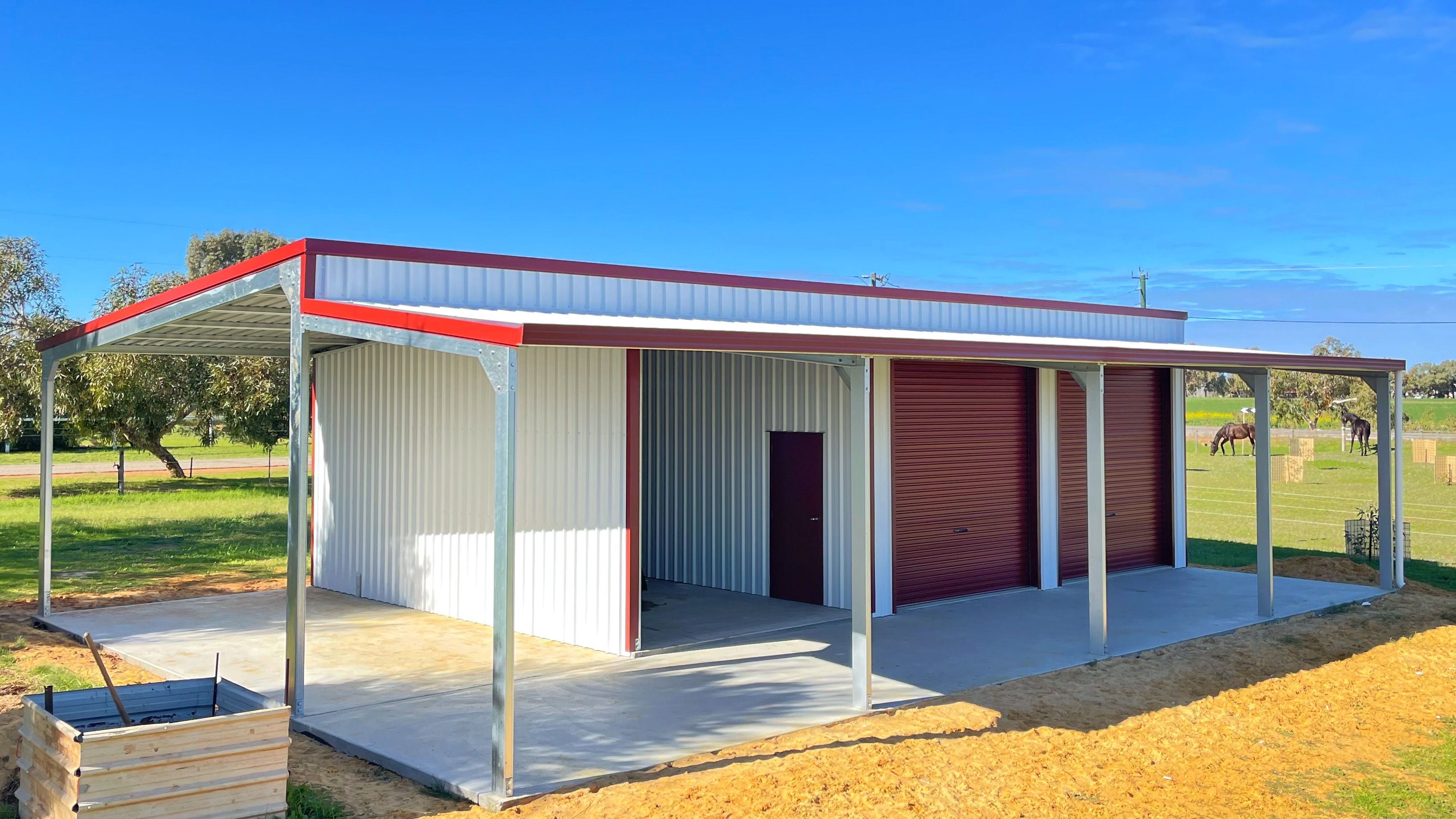
We manage excavation, site levelling and the reinforced concrete pour so your shed starts on a dependable base - a properly prepared concrete base is included or arranged with every job.
Problem: uneven ground or poor preparation can cause delays and extra cost.
Service: Midwest Sheds and Garages arranges excavation, earthworks and the reinforced concrete pour.
Outcome: a level, engineered base ready for shed construction, managed from start to finish. We coordinate trusted subcontractors and organise the slab pour - unexpected underground obstructions may add cost and will be discussed before work continues.
- Residential
- Homeowners wanting a durable, low‑maintenance shed base
- Rural
- Rural properties and farms needing reliable workshops or storage
- Commercial
- Commercial sites requiring organised siteworks and delivery
A properly prepared concrete base is included or arranged. We aim to deliver a finished slab ready for construction, and we manage the siteworks process on your behalf.
- Step 1
- Site plan preparation and submission-ready documentation.
- Step 2
- Coordination of trusted subcontractors for earthworks and excavation.
- Step 3
- Ordering and managing concrete supply and the concreting crew.
- Step 4
- Scheduling installers so slab and kit arrive in the right sequence.
Exclusions / Contingencies
Utility locates and formal clearances — customers should arrange or approve locates before work
Major tree removal or large demolition (can be arranged at extra cost)
Hidden underground obstructions (services, unexpected rock) — these are estimated, not fixed, and can add cost; we will report and get approval before proceeding.
We follow standard engineering guidance so your slab matches the shed design and local ground conditions. Below are the typical specifications used for most shed projects.
Domestic standard: 100mm thick concrete slab for general shed use
Heavy or commercial loads: 200mm+ slabs or thicker sections where engineers specify due to machinery or concentrated loads
Reinforcement & edge beams: Mesh, rebar and edge beams are supplied to engineer specifications - soil type (sand vs clay) and wind loads influence reinforcement and footing design
Final reinforcement, thickness and footing requirements follow Ranbuild/engineer direction and site conditions.
- Design & engineering
We prepare the site plan and submit to Ranbuild for engineering. Typical time: 1–2 days for basic engineering documents; allow longer for complex sites.
- Permits
Permit approval times vary by council and complexity — from a few weeks to months for tricky sites. We lodge on your behalf and monitor progress. Common delays: council queries and special site requirements.
- Siteworks / earthworks
Excavation, levelling and subbase compaction. Typical lead time: 4–6+ weeks (subcontractor scheduling can extend this). We coordinate reliable crews.
- Concrete pour & curing
Ground prep 2–3 days; pour may take a day or two depending on size. Curing: summer ~7 days, winter ~2 weeks — weather and slab size affect timing. Ideally slab down 4–6 weeks before kit arrival.
- Shed construction
Construction start once slab is accepted and weather permits. Build time varies from a few days to several weeks depending on size and complexity.
- Common delays
Subcontractor availability, concrete supply issues, and council permit timing are the usual causes of delay; we manage logistics and vet trades to reduce risk.
Many practical items influence scope and cost. We’ll flag these early so you can plan — from truck access to soil type and local wind codes. The concretor will usually advise on falls and drainage during slab layout.
- Clear access for concrete trucks and earthmoving machinery — keep the site free of cars, trailers and obstacles
- Arrange utility locates before work starts (water, power, sewer) — avoiding services reduces risk of extra cost
- Drainage & falls: concretor typically sets falls and advises on water ingress protection during the pour
- Soil type (sand vs clay) affects subbase and compaction; clay may need different preparation than sand
- High wind areas or tall‑walled sheds need stronger footings, edge beams or thicker mounting points — engineers will specify requirements
- Remote sites can increase delivery time and cost for materials and crews
We work with trusted subcontractors and provide estimates for siteworks rather than fixed quotes where hidden conditions exist. Midwest manages logistics, concrete ordering and scheduling, and will confirm any additional costs before proceeding.
- Siteworks are often provided as an estimate due to unknown underground conditions — we flag risks in your estimate
- We manage subcontractors and concrete supply so you only deal with one point of contact
- If unexpected rock, services or other obstructions are found we’ll report, provide pricing for the remedial work and seek approval before continuing
- Payment: deposits are usually requested to secure siteworks and concrete bookings; final payment terms are confirmed in your estimate
Midwest Sheds and Garages vets and engages reputable concretors; the concreting contractor takes responsibility for the pour. Typically there are no council inspections for standard shed slabs, but we supply full documentation and photos for your records.
- Photos of the finished slab and site before build begins
- Completion notes with pour time/date and crew details
- Concretor contact details for any follow-up queries
- Engineer sign-off or testing certificates when applicable
Our customers regularly praise the quality of the slab and build: "great slab, great shed quality" and more. Read verified reviews in the carousel below.



Answers to common questions about slabs, siteworks and timing. If you don’t see your question, get in touch and we’ll clarify for your site.
Do you do excavation and levelling or subcontract?
We arrange and coordinate trusted subcontractors to perform excavation, levelling and compaction. Midwest Sheds and Garages manages logistics and scheduling so you have one point of contact.
What thickness and reinforcement do you use for a standard shed slab?
Standard domestic shed slabs are typically 100mm. Reinforcement (mesh, rebar, edge beams) is specified by the engineer and depends on soil and loading. Heavier or commercial loads may require 200mm+ sections.
How long does curing take?
Curing depends on season and slab size: roughly 7 days in summer and up to 2 weeks in winter. We recommend planning for the slab to be down 4–6 weeks before the kit arrives where possible.
What should I clear before you start?
Provide clear vehicle access and remove obstacles, vehicles and garden items. Arrange utility locates; if you need tree removal or demolition, we can organise it at extra cost.
What if you find rock or services under the slab?
Unexpected underground obstructions are possible. We’ll stop, assess and provide a priced solution before continuing — these items are treated as contingencies and are not included in the original estimate.